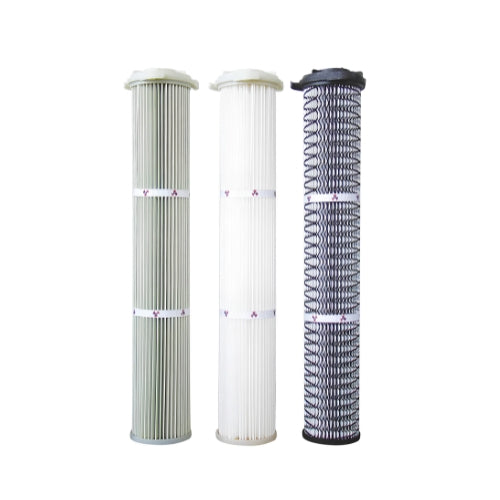
Every silo that is filled pneumatically needs a dust filter. As material is blown in, it displaces a large volume of dust-laden air that has to be released, and releasing it uncleaned means environmental breaches, wasted product, and a health hazard for anyone nearby. The dust filter captures that particulate before the air escapes.
But dust filter covers a wide range of products, and choosing the wrong one leads to poor filtration, frequent blockages, or paying for capacity you do not need. This guide breaks down the types, cleaning methods and sizing factors so operators can specify with confidence and procurement can be sure the right unit is being sourced the first time.
Why silo dust filtration matters
Beyond the obvious dust nuisance, there are three reasons filtration is critical:
- Safety. A blocked or undersized filter causes pressure to build during filling, which puts load on the silo structure and forces the pressure relief valve to act. Good filtration keeps filling pressures low. See our guide to silo pressure relief valves for how these systems work together.
- Compliance. Releasing uncleaned dust breaches environmental regulations. A properly specified filter keeps you compliant and audit ready.
- Product loss. Fine cement or powder vented to atmosphere is product you paid for, lost, plus a cleaning cost on surrounding equipment.
Filter types
Sleeve filters use fabric sleeves as the filter media. Simple and cost-effective, they are well suited to many standard silo applications.
Cartridge filters use pleated cartridge elements, offering a large filter area in a compact housing. The pleating packs more media into less space, making them efficient where roof space is limited or air volumes are high.
Bag filters use filter bags and suit higher-volume or more demanding duties.
Many modern silo-top filters, such as the SKY series, offer bag or cartridge elements in the same housing, letting you match the media to the material.
Cleaning methods: jet pulse versus vibration
Filter media clogs as it captures dust, so it needs periodic cleaning to maintain airflow. There are two main methods.
Jet pulse cleaning fires a short blast of compressed air back through the filter element, dislodging the dust cake, which falls back into the silo. It is highly effective and self cleaning during operation, but requires a compressed air supply. This is the most common method for silo-top filters.
Vibration cleaning shakes the filter elements to release the dust cake, with no compressed air required. It is ideal where compressed air is not available or where a simpler installation is preferred. Compare cleaning methods across the filter range.
Sizing your filter
Getting the size right is where specifications most often go wrong, and where a wrong call is most expensive. The key factor is filter area, measured in square metres, which must match the airflow your filling process generates. Undersize it and the filter blocks, pressure rises and cleaning cannot keep up. Oversize it and you have overpaid and possibly over sized the housing for your roof.
Filter area needs scale dramatically, from around 1 square metre for small applications up to 435 square metres for large modular units on major plants. The right figure depends on:
- Filling rate. How fast material is blown in. A higher rate means more displaced air and more filter area needed.
- Material. Fine cement behaves differently to coarser powders.
- Silo size and roof space. This determines the housing type and diameter that will fit.
- Whether a fan is needed. Fan-assisted filters use forced aspiration for applications where passive venting is not enough.
Because this calculation drives everything, it is worth confirming with a supplier rather than guessing. Getting it wrong is the most common and most costly filter specification mistake.
Construction and material options
For food grade or sensitive applications, look for stainless steel construction, an AISI 304 body with stainless parts in contact with the product. For standard cement and aggregate duties, mild steel is usually sufficient. Diameter options typically range from DN350 up to DN1550 on larger units.
Matching the filter to your application
To summarise the decision:
- Standard silo top, compressed air available: jet pulse cartridge or bag filter, such as the SKY series.
- No compressed air: vibration cleaned filter.
- Passive venting insufficient: fan-assisted filter.
- Large plant, high air volumes: modular filter with large filter area.
- Food or sensitive powder: stainless, food grade filter.
If you are unsure which fits your silo, the fastest route is to share your silo dimensions, material and filling rate with a supplier who can specify it correctly.
Buying from an official agent
Filters are only as good as their fit and genuine media. As an official MIX srl agent for Ireland and the UK, KMH Spares supplies genuine filters and replacement elements, with technical support to confirm sizing before you commit and clear lead times so a planned filter change does not become an unplanned shutdown.